ADHD Therapy in Walnut Creek, CA

Is Your Child Struggling with ADHD?

Are you wondering:

  • Why does my child seem so overwhelmed by everyday situations?
  • Why do simple tasks turn into power struggles?
  • Why does my child have such intense emotional reactions?
  • Why are they constantly in trouble at school despite trying their best?
  • Why does my child have difficulty making and keeping friends?
  • How can I help my child feel more confident and successful?

If these questions sound familiar, you are not alone. Many parents seek Attention Deficit and Hyperactivity Disorder (ADHD) therapy when they notice their child struggling with focus, impulsivity, emotional regulation, self-esteem, or behavior challenges. Children with ADHD often receive frequent corrections and criticism from adults, peers, and teachers. Over time, these experiences can negatively impact their confidence and sense of self.

As an experienced ADHD therapist, I provide a safe, accepting environment where children can feel understood, valued, and supported while learning the skills they need to thrive.

photo-1559679118-d5a14034c961

A Relationship-Based Approach to ADHD Therapy

One of the most important factors in successful ADHD counseling is the therapeutic relationship. Children grow and heal best when they feel accepted exactly as they are.

My approach is strongly influenced by the work of Carl Rogers and his principles of unconditional positive regard. This means I strive to create a therapeutic space where children feel genuinely accepted, respected, and understood without judgment.

Many children with ADHD have heard countless messages about what they are doing wrong. In therapy, they experience something different. They discover that they are capable, worthy, and valuable exactly as they are. Building trust, strengthening self-esteem, and developing a strong therapeutic connection are foundational components of effective ADHD treatment.

Understanding the Unique Challenges of ADHD

Children with ADHD often face difficulties that extend far beyond attention and focus. They may struggle with:

  • Emotional outbursts
  • Frustration tolerance
  • Impulsivity
  • Anxiety
  • Low self-confidence
  • Peer relationship challenges
  • School difficulties
  • Family conflict
  • Executive functioning skills
  • Sensory sensitivities

Through ADHD therapy, children learn to better understand their brains, recognize their strengths, and develop practical strategies for managing challenges. Therapy focuses on helping children build self-awareness while reducing shame and increasing confidence.

Building Emotional Regulation Skills

Many children with ADHD experience emotions intensely. Small disappointments can feel overwhelming, and strong reactions can create challenges at home, school, and with peers.

An important goal of ADHD therapy is helping children recognize emotional triggers and develop healthier ways to respond. Together, we work to identify situations that create frustration, anxiety, anger, or overwhelm.

Children learn how to:

  • Recognize emotional warning signs
  • Identify physical sensations associated with distress
  • Develop coping skills
  • Improve impulse control
  • Practice self-calming strategies
  • Increase emotional awareness


As children strengthen these skills, they often experience improved relationships, greater confidence, and more success in daily life.

Play Therapy, Sandtray Therapy, and Creative Expression

Children often communicate their thoughts and feelings more naturally through play than through conversation alone. For this reason, I incorporate play-based approaches into ADHD counseling whenever appropriate.

Play therapy allows children to express emotions, process experiences, and practice new skills in a developmentally appropriate way. I also utilize sandtray therapy, which provides a powerful opportunity for children to explore emotions, relationships, and experiences through symbolic expression.

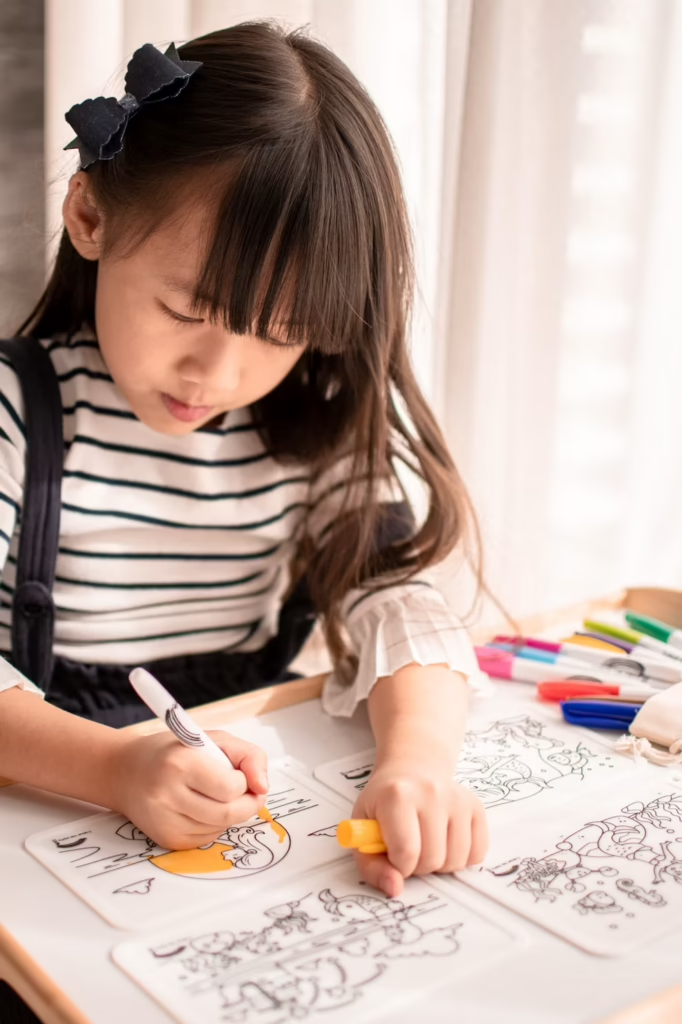
Art therapy interventions can further support emotional growth, self-expression, and problem-solving. These creative approaches often help children feel more engaged and successful throughout the therapeutic process while complementing traditional ADHD treatment strategies.

Cognitive Behavioral Therapy for ADHD

Cognitive Behavioral Therapy (CBT) is an evidence-based approach that helps children understand the connection between thoughts, feelings, and behaviors.

Using CBT techniques within ADHD therapy, children learn to:

  • Identify unhelpful thought patterns
  • Develop healthier self-talk
  • Improve problem-solving skills
  • Increase frustration tolerance
  • Strengthen coping abilities
  • Build confidence and resilience

Many children with ADHD develop negative beliefs about themselves after repeated struggles at school or home. CBT helps challenge these beliefs and replace them with more accurate and empowering perspectives.

Healing Trauma and Building Resilience

Some children with ADHD have also experienced difficult or traumatic life events. Trauma can intensify attention difficulties, emotional dysregulation, anxiety, and behavioral challenges.

When trauma is present, treatment may include Trauma-Focused Cognitive Behavioral Therapy (TF-CBT) and EMDR (Eye Movement Desensitization and Reprocessing). These evidence-based approaches help children process difficult experiences and reduce the emotional impact of past events.

Combining trauma-informed care with attention deficit hyperactivity disorder therapy allows children to heal while building emotional strength, confidence, and resilience for the future.

Experience Working with High-Need ADHD Children

In addition to private practice experience, I have led a Day Treatment classroom serving children who had been suspended or expelled from schools and daycares due to significant behavioral concerns.

These children often struggled with severe ADHD symptoms, emotional regulation difficulties, impulsive behavior, and challenges with self-concept. Our program focused on behavioral improvement, therapeutic intervention, emotional growth, and rebuilding confidence.

The goal was to help children develop the skills necessary to successfully graduate from the program and return to their school or daycare setting. This experience provided valuable insight into the unique needs of children requiring intensive ADHD treatment and behavioral support.

Integrating Behavioral Strategies with Compassion

Effective treatment often requires a balanced approach. While relationship-building is essential, children also benefit from learning concrete skills and behavioral strategies.

My work combines:

  • Behavioral principles
  • Relationship-based interventions
  • Cognitive Behavioral Therapy
  • Play therapy
  • Sandtray therapy
  • Art therapy
  • Trauma-focused approaches
  • Parent collaboration

This integrated approach allows me to tailor ADHD counseling to each child’s unique strengths, needs, and developmental stage.

Support for the Whole Family

When a child struggles with ADHD, the entire family can be affected. Parents often feel exhausted, frustrated, worried, or unsure of how to best support their child.

Part of successful ADHD therapy involves helping parents better understand ADHD and develop effective strategies for supporting their child’s growth. Parents are valuable partners in the therapeutic process, and collaboration helps create consistency between therapy, home, and school environments.

ADHD Support Across the Lifespan

While my primary specialty is working with children, many families discover that ADHD affects multiple generations. Parents often recognize similar struggles within themselves while seeking help for their child.

As a result, many adults seek support through adult ADHD therapy, adult ADHD counseling, or adult ADHD treatment to better understand their own experiences and develop effective coping strategies.

In some cases, collaboration with an ADHD psychiatrist may also be beneficial when medication evaluation or psychiatric support is appropriate. Therapy and psychiatric services can work together to provide comprehensive care that addresses both emotional and behavioral needs.


Helping Your Child Thrive

Every child deserves to feel capable, confident, and understood. ADHD does not define who your child is. With the right support, children can learn to manage challenges, build healthy relationships, strengthen self-esteem, and discover their unique strengths.

If you are looking for compassionate, relationship-centered ADHD therapy, I would be honored to help your child develop the skills, confidence, and resilience needed to thrive both now and in the future.

Recent Posts

How Can I Help My ADHD Child?

Children with ADHD are not just a set of problems that need to be solved. They bring a set of unique strengths that are often undervalued, especially during the elementary and high school years, where sitting still and listening are the expectations.

Read More »

150 N Wiget Ln #208, Walnut Creek, CA 94598